Pillar 1
Budgeting
Budgeting is not about restriction. It is about knowing where your money goes before it disappears. This section covers every major budgeting method in plain English: zero-based budgeting, the 50/30/20 rule, the envelope method, and more. Research shows that the best budget is the one that matches how you actually live, not a textbook ideal.
20 articles
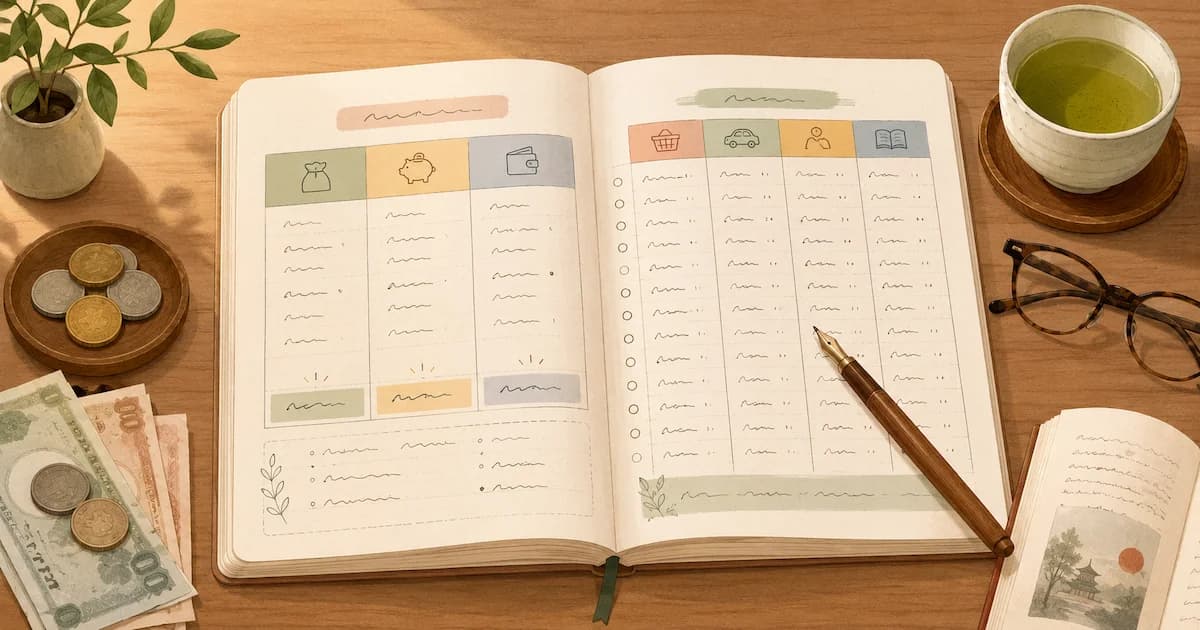
Kakeibo explained, with a free Excel template and printable PDF planner. The four questions, the four categories, and the fourteen-item Japanese original.
22 min read
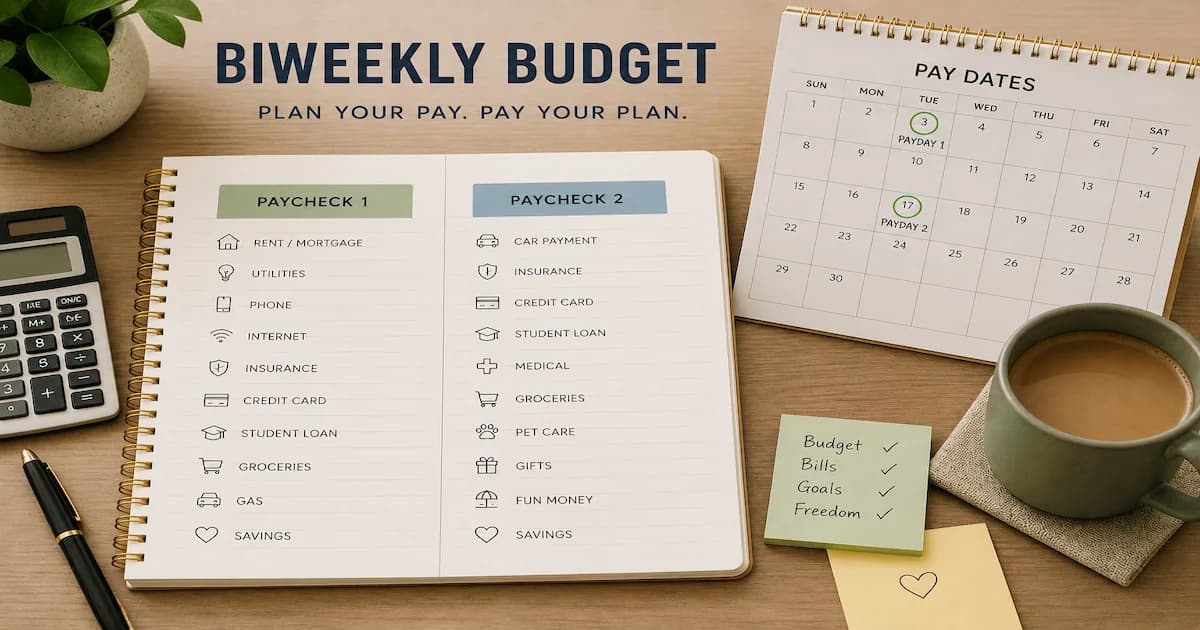
A biweekly budget plans each two-week paycheck on its own. Build each month on two checks as your floor, and the year's extra paychecks arrive as surplus.
18 min read
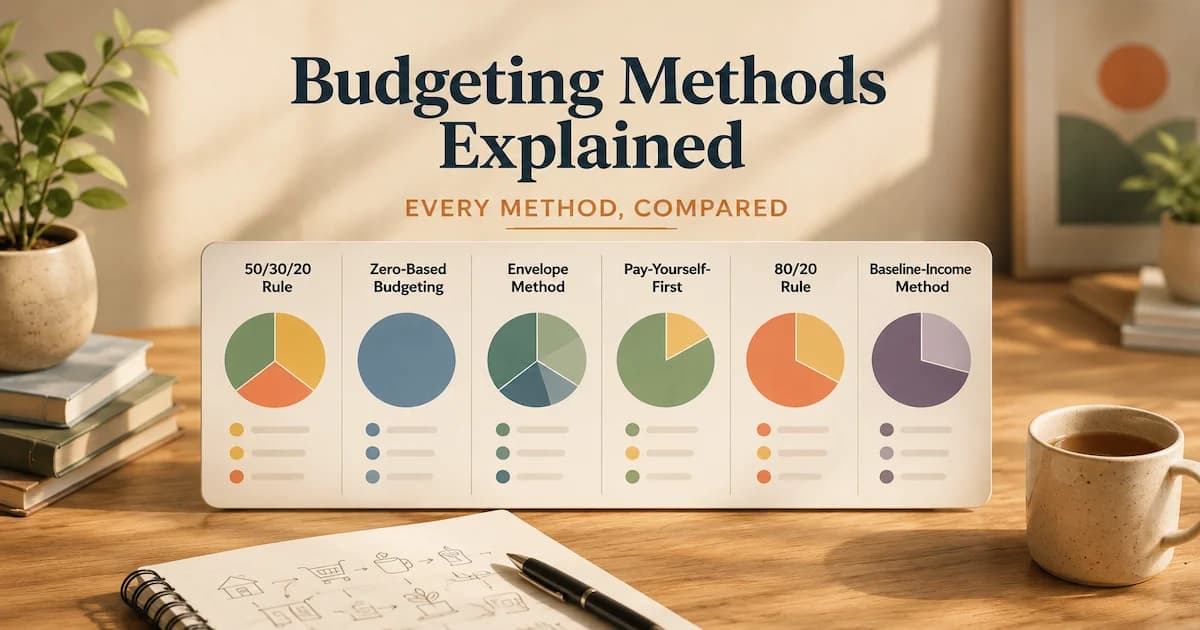
The 10 personal budgeting methods compared, from 50/30/20 and zero-based to kakeibo and cash stuffing, with ₹ and $ examples and a which-fits-you table.
17 min read

The research on financial well-being, the structural reasons budgets work when willpower does not, and the long-term cost of going without one.
11 min read
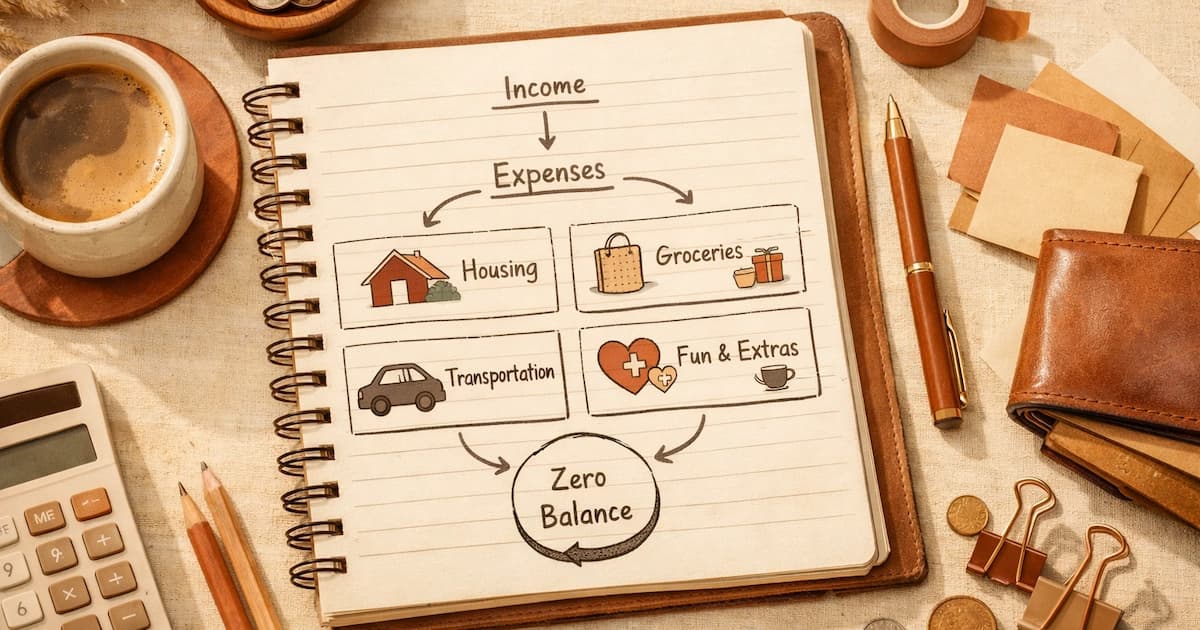
Give every rupee a job until income minus spending is zero. The five steps, a worked example in rupees and dollars, and where it breaks down.
14 min read

Where the idea came from, how to set up the automatic transfer, and why saving before spending changes the arithmetic and not the willpower.
10 min read

The rules of a no-spend challenge, what counts as essential, the benefits beyond the savings figure, and the rebound trap that catches most people.
11 min read
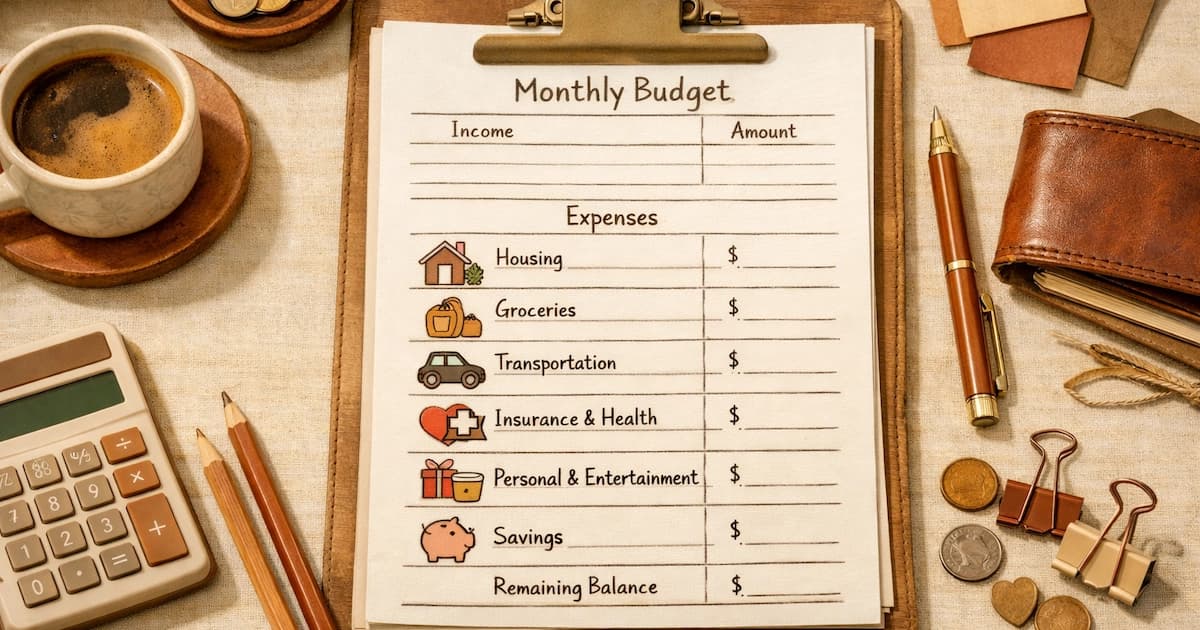
A simple monthly budget template: which categories to include, what to assign each one, and a worked example to copy into a sheet or a notebook.
9 min read

Ten money saving challenges for 2026, who each suits, and the structural reason short challenges work when year-long resolutions do not.
11 min read

How to track spending: the four methods compared, using your UPI or bank statement as a free ledger, how to categorize, and a full worked week of tracking.
14 min read

Making a first budget step by step: the information to gather, choosing categories, picking a method, and the routine that turns setup into habit.
10 min read

What is the envelope budgeting method? The cash-envelope system explained, how to set it up, the digital alternatives, and where it works (and doesn't).
10 min read
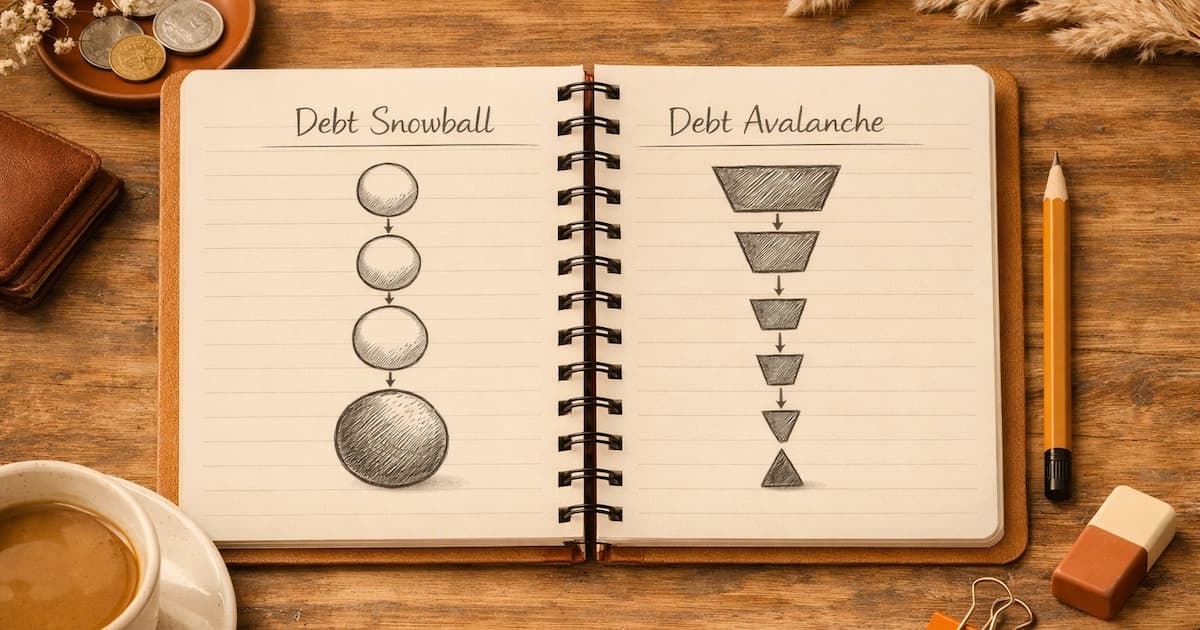
How each method works, the maths on which saves more, the behavioural research on which one people actually finish, and how to choose.
11 min read

Childcare costs, irregular co-parent contributions, the emergency fund that absorbs sole-provider risk, and the benefits and credits worth claiming.
12 min read

Handling tuition, low and irregular income and textbook costs, plus the financial habits that keep paying long after graduation.
11 min read

Budgeting on variable income: quarterly taxes, irregular invoice timing, and the buffer that stops a lean month becoming a crisis. India and US.
10 min read

What to do in week one, the common collapse points, and the small habits that decide whether a budget survives into month two.
9 min read
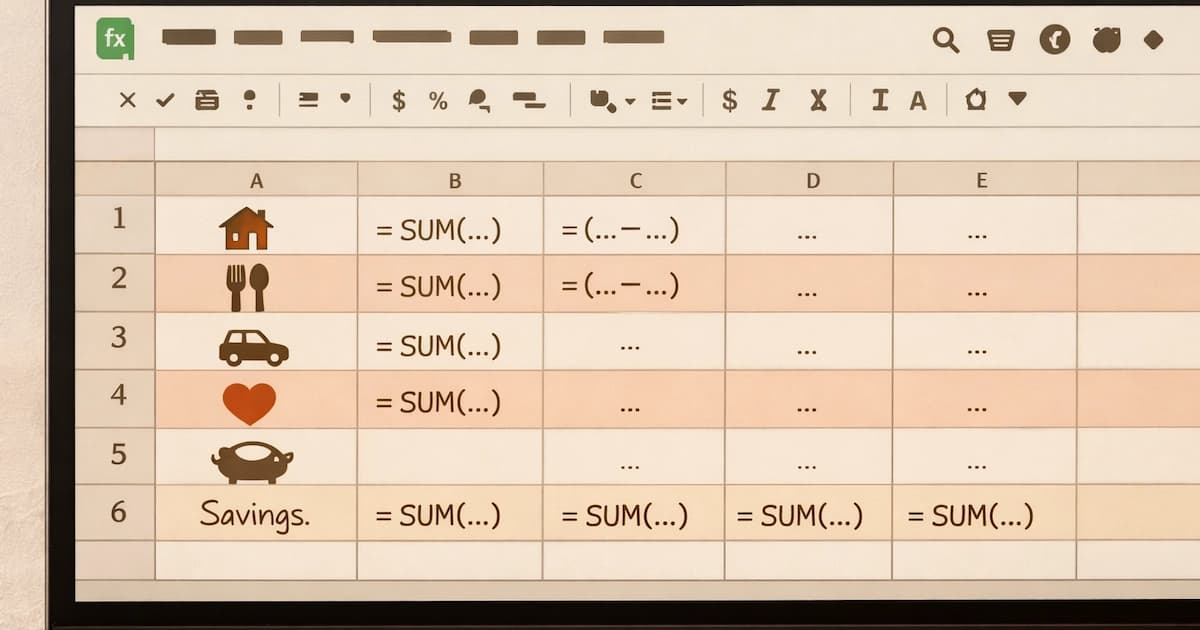
Build a budget in Google Sheets step by step: the exact columns, the SUM and SUMIF formulas, conditional formatting, and a free template to copy, in ₹ or $.
12 min read

Save a rising amount each week for a year. The correct rupee and dollar totals, the December and Diwali collision nobody flags, and what it adds up to.
9 min read

The rule everyone can recite leaves three things unresolved: which net income to use, where debt sits, and what to do when needs already eat 70%.
11 min read