Pillar 9
Banking and Account Basics
Bank accounts are the foundation underneath every other personal-finance decision, and most people use them without understanding what each account type actually is. This section covers checking accounts, savings accounts, fixed deposits, UPI, IFSC codes, deposit insurance, and the mechanics underneath everyday banking. Universal concepts plus India-specific instruments (UPI, IFSC, FD, DICGC) and US-specific ones (FDIC, routing numbers, money market accounts).
17 articles

NRE interest is exempt. NRO interest takes 30% TDS plus cess from the first rupee, with no threshold, and the Form 15G route residents use is closed to NRIs.
11 min read
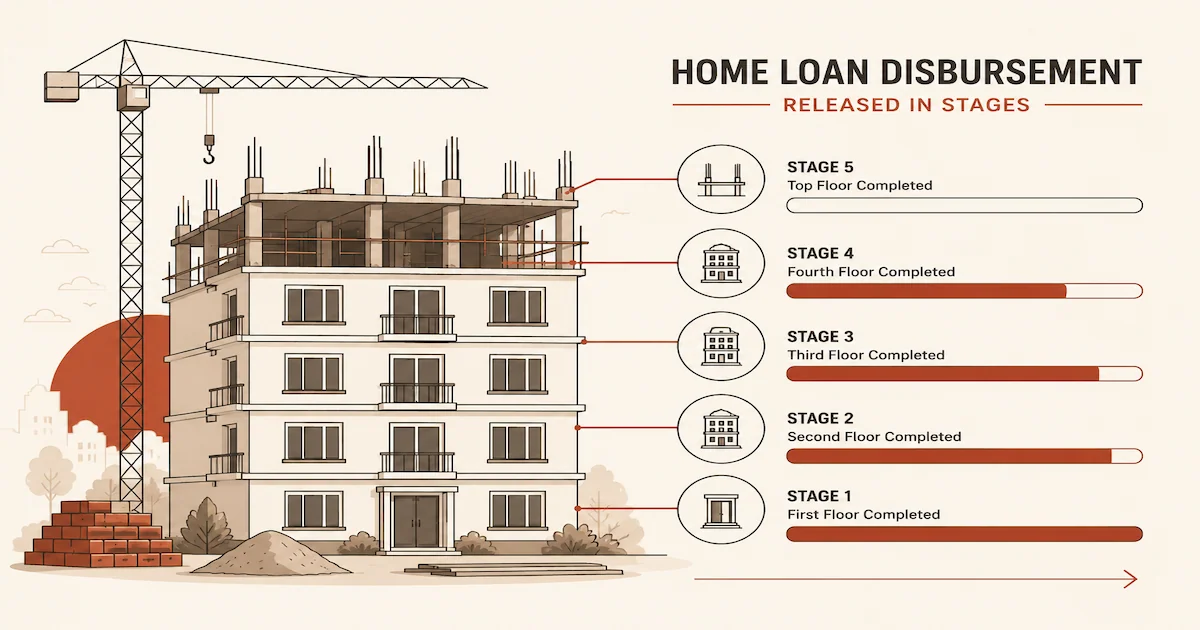
Pre-EMI on a Rs 50 lakh under-construction flat saves Rs 2,123 a month and costs Rs 10.4 lakh more. The arithmetic no lender page publishes.
11 min read

A recurring deposit takes a fixed sum every month at a locked rate. The 6.7% post office rate, the gazetted default rules, what early closure costs, and RD tax.
23 min read

Types and operating modes, deposit insurance under FDIC and DICGC, survivorship, and the risks, compared for the US and for India.
15 min read
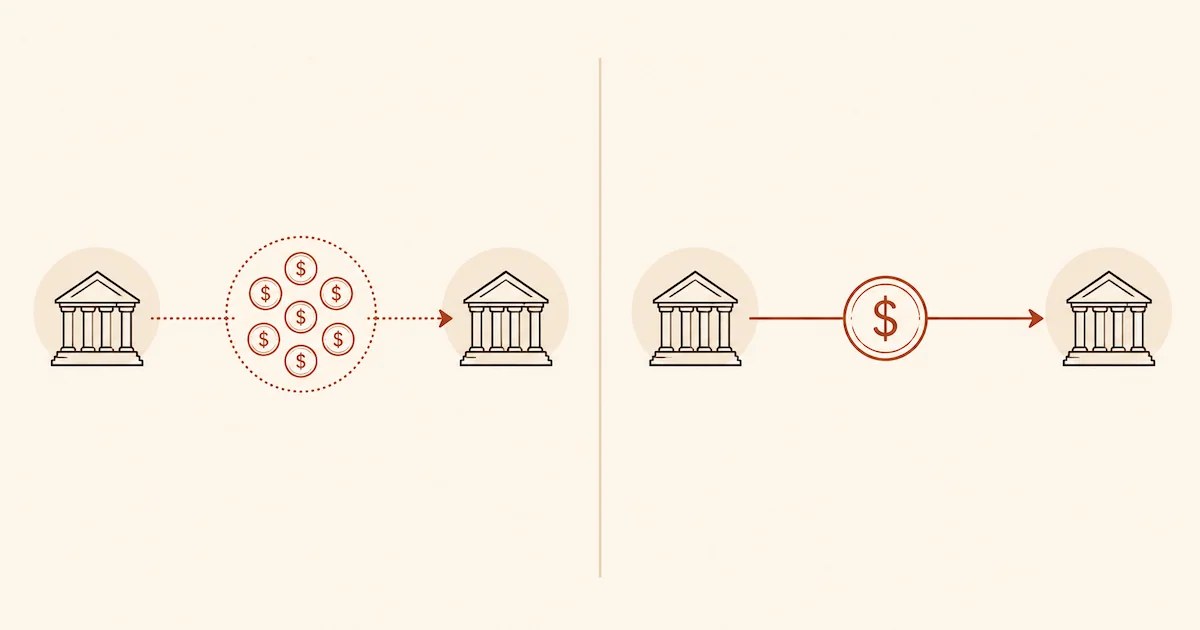
ACH vs wire transfer on speed, cost and reversibility, why the $10,000 reporting rule covers cash and not wires, and which routing number each rail uses.
27 min read
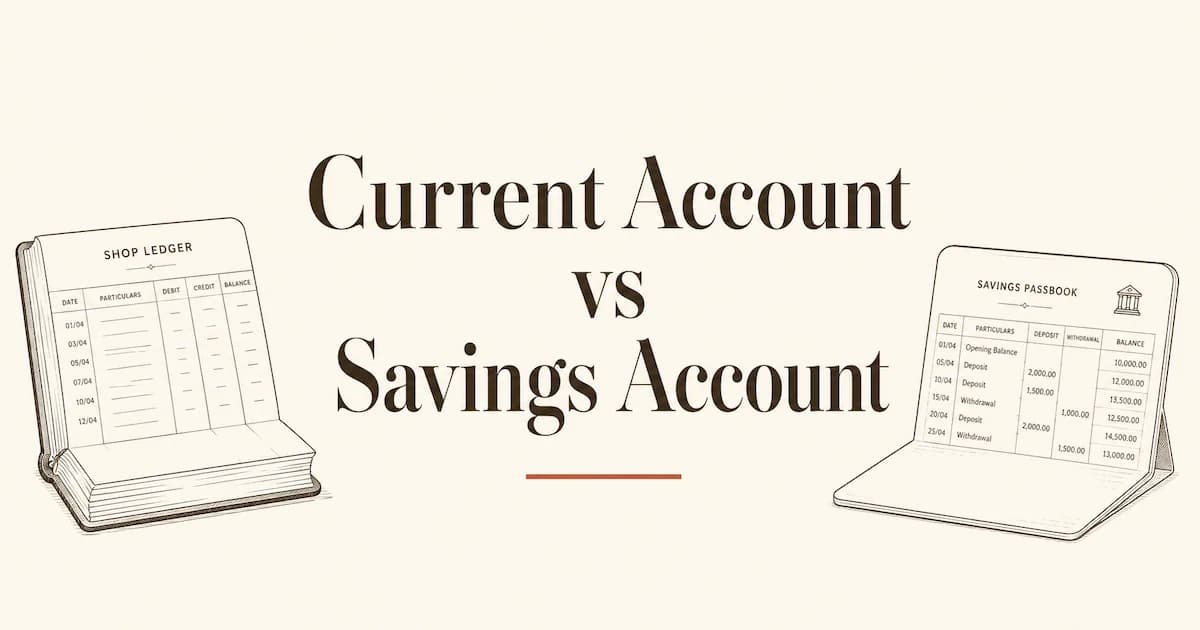
Current account vs savings account in India: how they differ on interest, transaction limits, minimum balance, CASA, and deposit insurance.
14 min read
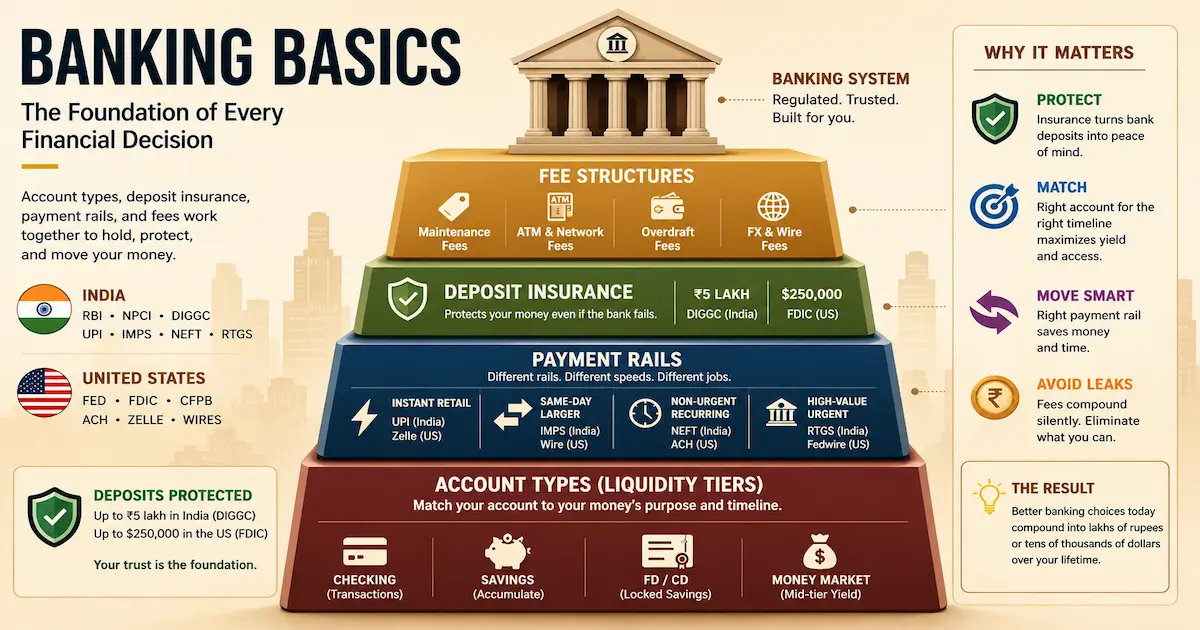
How banking works in India and the US in one guide: checking and savings, FD and CD, FDIC and DICGC, and the deposit rates current as of July 2026.
12 min read
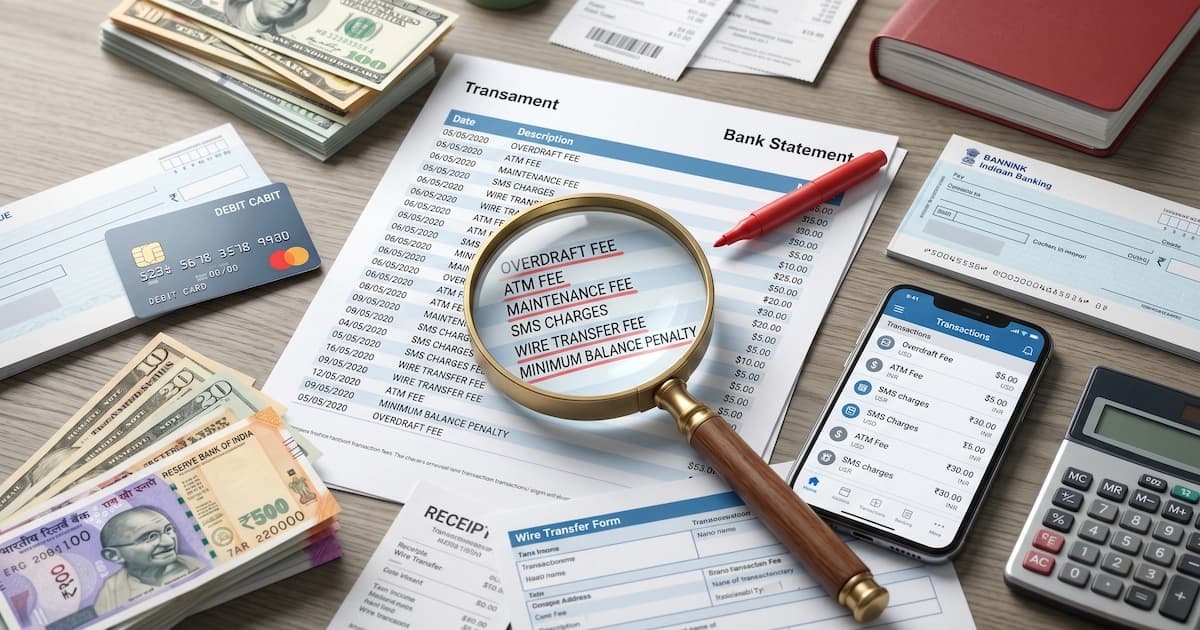
What your bank can charge and what it cannot: RBI's Rs 23 ATM cap, the free-transaction rules most pages get wrong, and US averages from Bankrate 2025.
17 min read
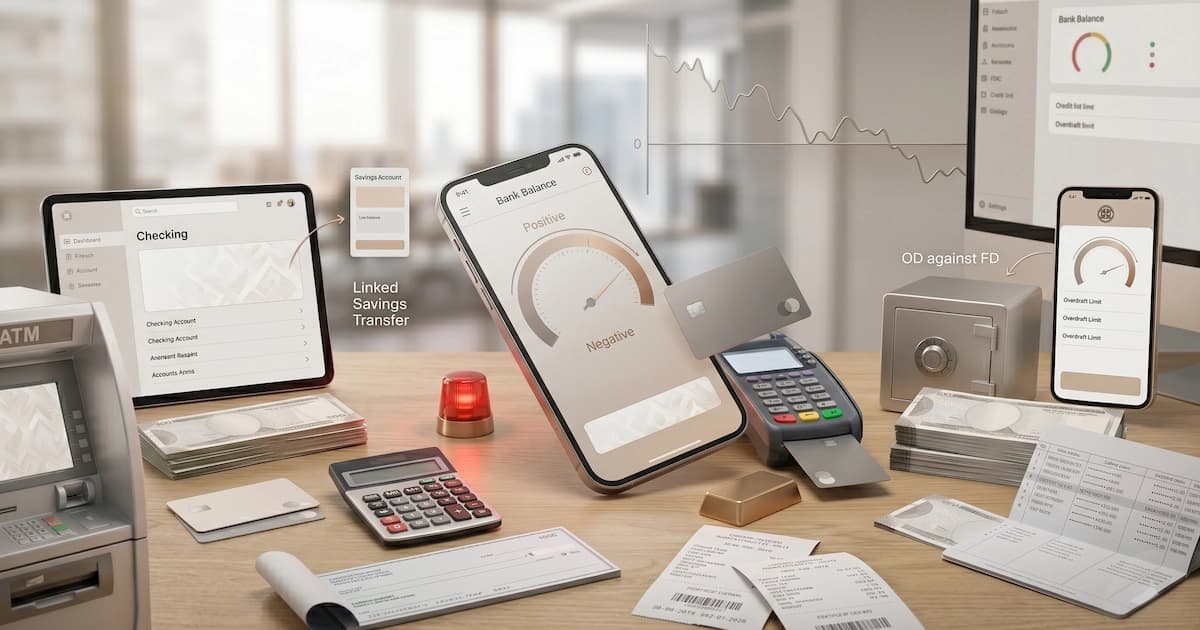
Overdraft protection covers a short checking balance by a linked transfer or a flat fee. Reg E opt-in, the repealed $5 cap, and India's OD facility explained.
17 min read
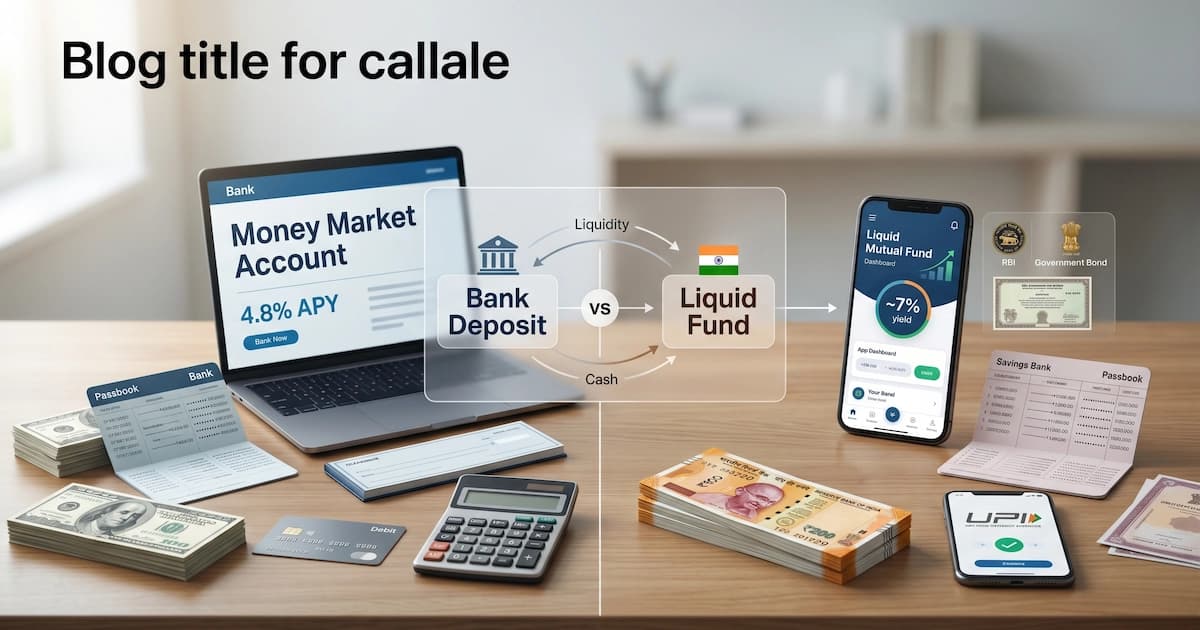
A US money market account blends FDIC-covered savings with cheque writing and a debit card, paying 4-5% APY online. Why India has no direct equivalent.
13 min read
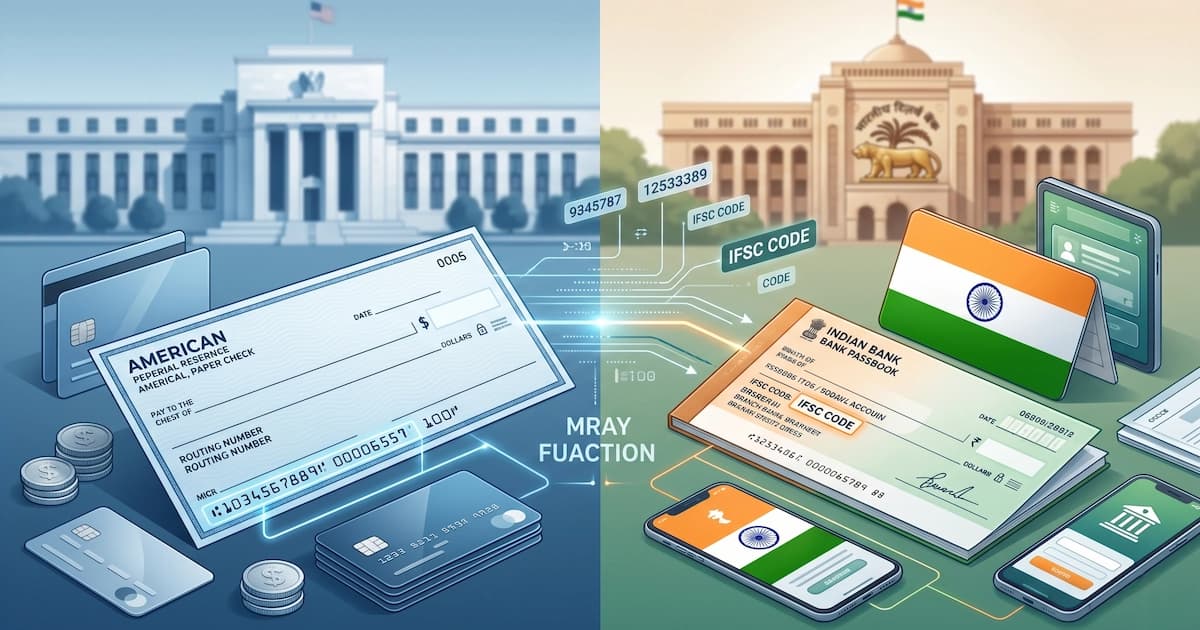
India has no routing number. How IFSC, ABA routing numbers and SWIFT differ, how to check a code is valid before you use it, and what happens when it is wrong.
18 min read

UPI explained: what it is, the current limits and who gets the higher ones, why it is free, who pays for that, and what the August 2026 MDR Bill would change.
20 min read
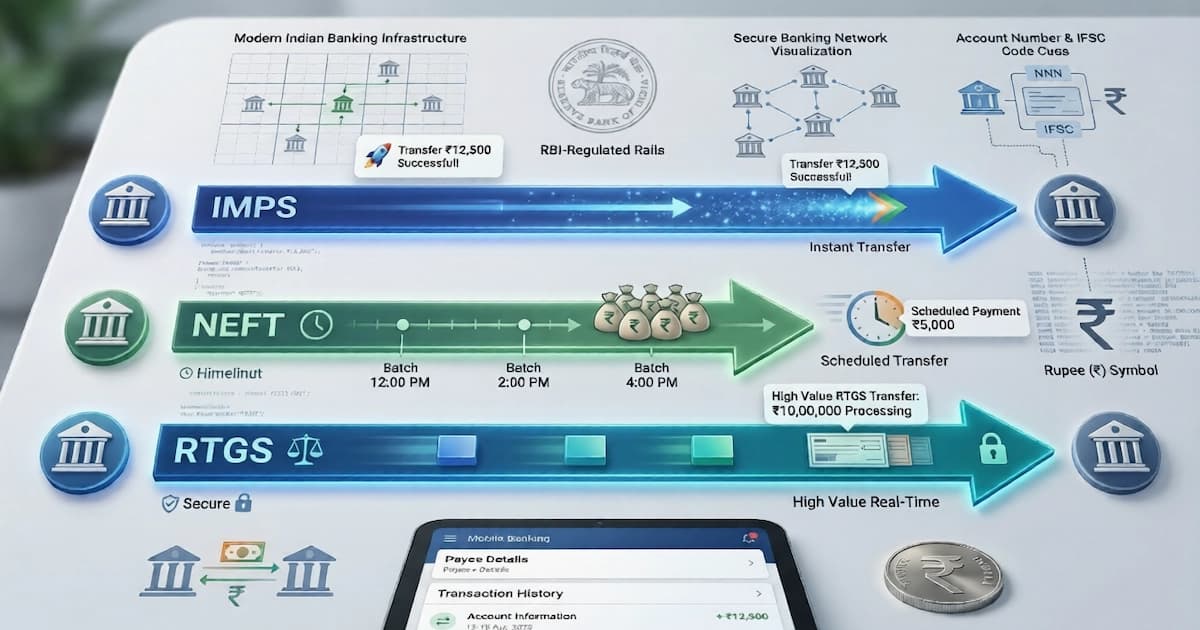
RBI sets no maximum on NEFT and caps RTGS charges at Rs 25 and Rs 50. What each rail costs, how fast it credits, and where bank caps quietly replace RBI rules.
19 min read

DICGC insures ₹5 lakh per Indian bank; FDIC insures $250,000 per US bank. The rules, what is and isn't covered, the 90-day payout, and FDIC vs NCUA vs SIPC.
16 min read

India has a fixed deposit and a separate RBI-regulated certificate of deposit. The US CD is closer to India's FD. What they pay, and what breaking one costs.
22 min read

Why RBI makes every Indian bank pay the same rate below Rs 1 lakh, how savings interest is actually calculated, and what DICGC and FDIC really cover.
17 min read

A checking account is the bank account you use for everyday spending. How it works, the types, what you need to open one, and the fees to watch for.
10 min read