Personal Finance Tools Explained: India and US App Guide

By Tapabrata Biswas · Published July 27, 2026 · 11 min read
Written and fact-checked by Tapabrata Biswas. How I write

Most "best finance app" lists answer a question you didn't ask. They rank ten apps against each other when the real problem is that a budgeting app and an expense tracker do different jobs, and half the apps a US list recommends cannot read an Indian bank account at all. The tool you need depends on the job you want done and the country your money sits in.
This guide is the map. It sorts personal finance tools by the job they do, explains how each one actually gets your data (the part that decides privacy and reliability), covers who regulates them in India, and shows what "free" really pays for. It does not re-rank individual apps. Each category links to the specialist guide that does.
What is a personal finance tool, and what are the main types?
A personal finance tool is any app, spreadsheet or service that helps you plan, track or grow money, and the clearest way to group them is by the single job each one does. Five jobs cover almost everything a beginner needs, and mixing them up is the most common reason an app disappoints.
| The job | What the tool does | India examples | US examples | Our full guide |
|---|---|---|---|---|
| Plan a budget | Assign income to categories before you spend | Wallet, Goodbudget, YNAB (manual) | YNAB, Monarch, EveryDollar | budgeting apps for beginners |
| Track spending | Record and categorise money after it leaves | Moneyview, ET Money, Walletory | Rocket Money, PocketGuard | expense tracking apps |
| Track net worth | Show assets minus liabilities in one dashboard | INDmoney, Kuvera | Empower, Kubera | net worth apps |
| Track investments | Monitor a portfolio's holdings and returns | INDmoney, MProfit, Kuvera | Sharesight, Empower | investment tracking apps |
| Learn | Build knowledge, no dashboard | books, podcasts, video | books, podcasts, video | books, podcasts, YouTube |
The split that trips people up is the first two rows. A budgeting app plans money before you spend it, and give-every-dollar-a-job tools like YNAB sit here. An expense tracker records money after it has gone. One asks you to make decisions; the other shows you decisions you already made. Students have their own segment because Indian bank connectivity limits which apps work at all, covered in our budgeting apps for students guide.
How do these tools actually get your data?
A personal finance tool pulls in your transactions in one of a few ways, and the method matters more than the logo on the icon. It sets how reliable the tracking is and how much of your financial life you hand over. This is the axis almost no ranking page tables, and it is the one worth understanding first.
| How it gets data | How it works | Where it's common | Reliability | What you expose |
|---|---|---|---|---|
| Manual entry | You type each transaction | Everywhere | Most accurate, least convenient | Nothing |
| SMS or notification reading | The app parses bank and UPI alerts on your phone | India | Breaks when a bank changes its SMS format | Your messages or notifications |
| Bank-API aggregation | A service like Plaid links the app to your bank | US, UK, Europe | Sync drops and re-login loops are common | Read-only access via a third party |
| Account Aggregator | RBI-regulated, consent-based sharing, no password | India | Newer, bank coverage still growing | A defined, revocable data consent |
| Full net-banking login | You give the app your bank credentials | Older India apps | Fragile | The most, your actual login |
Two shifts explain why this table looks different in each market. In India, Google Play tightened its READ_SMS permission policy, so many trackers that once scraped transaction texts now read on-screen notifications instead, and both break the moment a bank tweaks its alert wording. That fragility is exactly what the RBI Account Aggregator framework was built to replace, with consent-based sharing that never exposes a password. In the US, apps lean on aggregators like Plaid, and the single most common real complaint is a bank connection silently dropping and needing a re-login. A free spreadsheet sidesteps the entire question, which is a genuine reason some people still prefer a Google Sheets budget.
Are these apps regulated, and who is watching them?
In India a personal finance app is regulated by the activity it performs, not by a single fintech rulebook, so the same "money app" label can hide very different oversight. Knowing which body stands behind an app tells you what protection you actually have.
| App type | What it really is | Who regulates it in India |
|---|---|---|
| Investing and mutual-fund apps | Registered distributor or advisor | SEBI, with AMFI for mutual-fund distribution |
| Neobanks (Jupiter, Fi) | A front-end over a licensed partner bank | RBI regulates the partner bank; the app is not a bank |
| Lending-first "free" trackers (axio) | An expense app that sells credit | RBI, as a Non-Banking Financial Company |
| UPI payment apps | The spending rail itself | NPCI, under RBI |
| Account Aggregators | Consent-based data pipes | RBI |
The neobank point is the one most lists get wrong. Jupiter and Fi are not banks. Your deposit sits with a licensed partner bank, and the app is the interface. That distinction became concrete in 2026 when Fi began winding down its banking service (see the next section). In the US there is no single app regulator; investing features fall under the SEC and FINRA, while bank links run through private aggregators with no dedicated authority. Because investing tools touch decisions about your actual money, treat any in-app recommendation as marketing and take a real allocation question to a SEBI-registered investment adviser or a CFP.
If these apps are free, how do they make money?
When a finance app is free, it is almost always earning somewhere you cannot see, and the funding model shapes what the app nudges you to do. Free is a pricing choice, not charity.
In India the pattern is clear. Moneyview and axio are lending businesses first; a free expense tracker is the top of a funnel that ends in a personal loan or a line of credit. Neobanks earn on float, the money resting in accounts, and on interchange, the small fee a merchant pays when you swipe or tap. So the app that tracks your spending for free has a commercial interest in you spending, or borrowing, through it. In the US the clearest example is Empower, whose net-worth dashboard is free precisely because it is a lead-in to Empower's paid wealth-management service, priced as a percentage of assets. None of that makes these tools bad. It means the honest question is not "is it free" but "how does it stay free, and does that pull against my goals."
Paid apps at least state the trade. After Mint's shutdown, most serious US budgeting tools moved to a subscription of roughly $8 to $15 a month, so the market quietly reset from free to paid. Over three years a $100-a-year app costs ₹25,000 or more, which is worth weighing against a free spreadsheet that does the same core job.
Which personal finance tools shut down or changed recently?
The personal finance tool market churns fast, and most ranking pages are stale on it, still recommending apps that have shut down, rebranded or changed owners. Getting this current is a quiet advantage, because a reader burned by a dead recommendation does not come back.
| Tool | What happened | When | Where its users went |
|---|---|---|---|
| Mint | Intuit shut it down | 23 March 2024 | Credit Karma for data; subscription apps for budgeting |
| Personal Capital | Rebranded to Empower | acquisition closed 2020, renamed 2023 | Empower Personal Dashboard |
| Walnut | Rebranded to axio, then Amazon-acquired | deal completed September 2025 | axio, now a lending app |
| Fi | Winding down its banking service | by 30 April 2026 | Federal Bank's own app |
Read almost any 2026 "best apps" list and you will still find Mint, Personal Capital or Walnut presented as live picks. One widely-cited India page from late 2024 recommends all three. Our own cluster keeps these current, which is why the Mint alternatives guide leads with what actually replaced it.
How do you choose the right tool for you?
Choosing a tool comes down to matching the job you need done to the data method you are comfortable with, in a market where the app can actually reach your bank. Work it in that order and the shortlist gets small quickly.
Start with the job. If you overspend, a budgeting app that plans money before it moves helps more than a tracker that reports the damage later. If your money is fine and you just want a picture, an expense tracker or a net-worth dashboard fits. Then the data method: an Indian user who wants automation should prefer an app on UPI data or the Account Aggregator framework over one begging for a net-banking password, and anyone uneasy about linking a bank at all can run a manual app or a spreadsheet. Last, the market check, which US lists never mention: confirm the app supports your country's banks before you pay, because a linked app that cannot see your accounts is a manual app you overpaid for. Once the category is settled, our specialist roundups compare the specific apps inside it.
What this guide deliberately does not cover
This explains the categories of personal finance tool and how they work. It is educational, not financial advice, and we have no affiliate relationship with any app named here. It does not tell you which single app to install or how to invest your money, because the right pick depends on your bank, your habits and your goals.
It also does not re-review individual apps, on purpose. The app-by-app comparisons live in the specialist guides: budgeting apps and the student segment, expense trackers, net-worth apps, investment trackers, the YNAB how-to, the Mint alternatives rundown, and the learning tier of books, podcasts and YouTube channels. Anything involving a specific investment, tax position or loan belongs with a SEBI-registered adviser, a CA or a CPA.
Frequently asked questions
What is the best personal finance app? There is no single best app, because the right tool depends on the job you need done and the country your bank is in. Someone who wants to plan a budget before spending needs a budgeting app; someone who wants to see where money already went needs an expense tracker; someone who wants a net-worth or portfolio dashboard needs a different category again. An Indian user also has to check that the app can read Indian bank data at all, since many popular US apps cannot. This guide maps the categories and our specialist roundups compare the actual apps in each one.
What is the RBI Account Aggregator, and is it safer than SMS-reading apps? The Account Aggregator (AA) framework is an RBI-regulated, consent-based system that lets you share specific financial data between institutions without handing over any password. It differs from the older approach of apps reading your bank SMS messages or asking for your net-banking login. With AA you approve a defined, time-bound data request and can revoke it, and no credentials change hands, so it is generally a lower-exposure model than SMS-parsing or full-login apps. Bank and account coverage is still growing, so not every account can be linked yet.
Do US apps like YNAB or Empower work with Indian banks? Their automatic bank import does not cover Indian banks. YNAB's direct import is limited to the US, Canada, the UK and much of Europe, and Empower is a US-only service. An Indian user can still run YNAB by entering transactions manually or importing a file, but the subscription then pays only for the method, since the automation never reaches Indian banks. For automatic tracking in India, apps built on UPI data or the Account Aggregator framework are the fit, which our expense-tracker and budgeting-app roundups cover.
What replaced Mint after it shut down? Mint shut down on 23 March 2024, and Intuit pointed its users to Credit Karma, which it also owns, though Credit Karma is a credit-monitoring product and does not replace a full budgeting app. For budgeting, the apps most often named as replacements are subscription tools that arrived to fill the gap. Our Mint-alternatives guide walks through the options and explains why several of the US replacements do not work for Indian bank accounts.
Sources
- Reserve Bank of India, Account Aggregator framework (consent-based financial data sharing). rbi.org.in
- Sahamati, What is an Account Aggregator (the RBI-licensed AA network). sahamati.org.in
- National Payments Corporation of India, Unified Payments Interface (UPI). npci.org.in
- Google Play, Use of SMS or Call Log permission groups (the READ_SMS restriction). support.google.com
- Engadget, Intuit is closing Mint (shutdown 23 March 2024, users moved to Credit Karma). engadget.com
- About Amazon India, Amazon acquires axio (completed 2025, the app formerly Walnut). aboutamazon.in
- TechCrunch, India neobank Fi winds down banking services (deactivation by 30 April 2026). techcrunch.com




You might also like
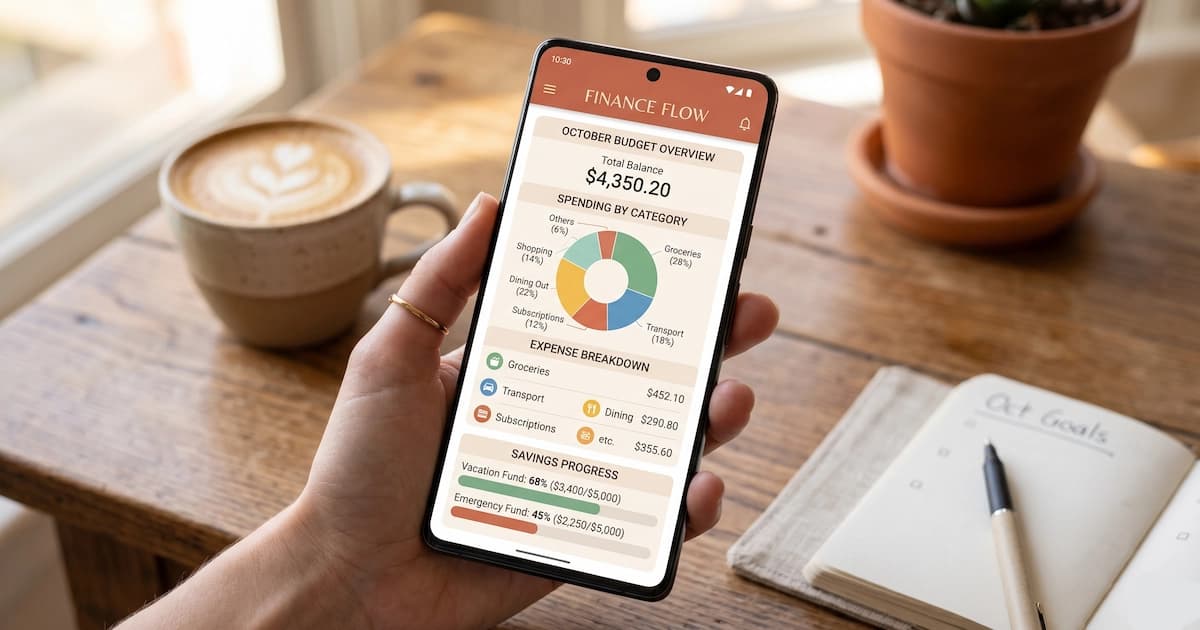
The best budgeting apps for beginners in 2026, chosen by budgeting method. Zero-based, envelope, and 50/30/20 picks for India and the US, free and paid.
20 min read
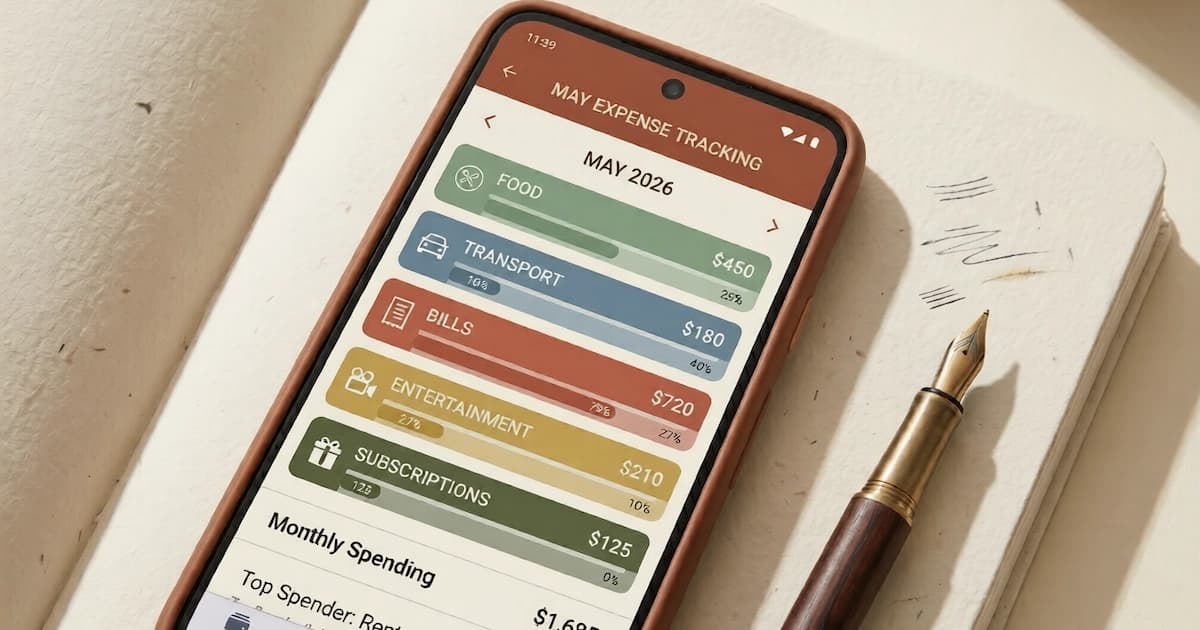
Best expense tracker apps for 2026 in the US and India, free and paid, plus how SMS-based expense tracking works and which apps still do it.
23 min read
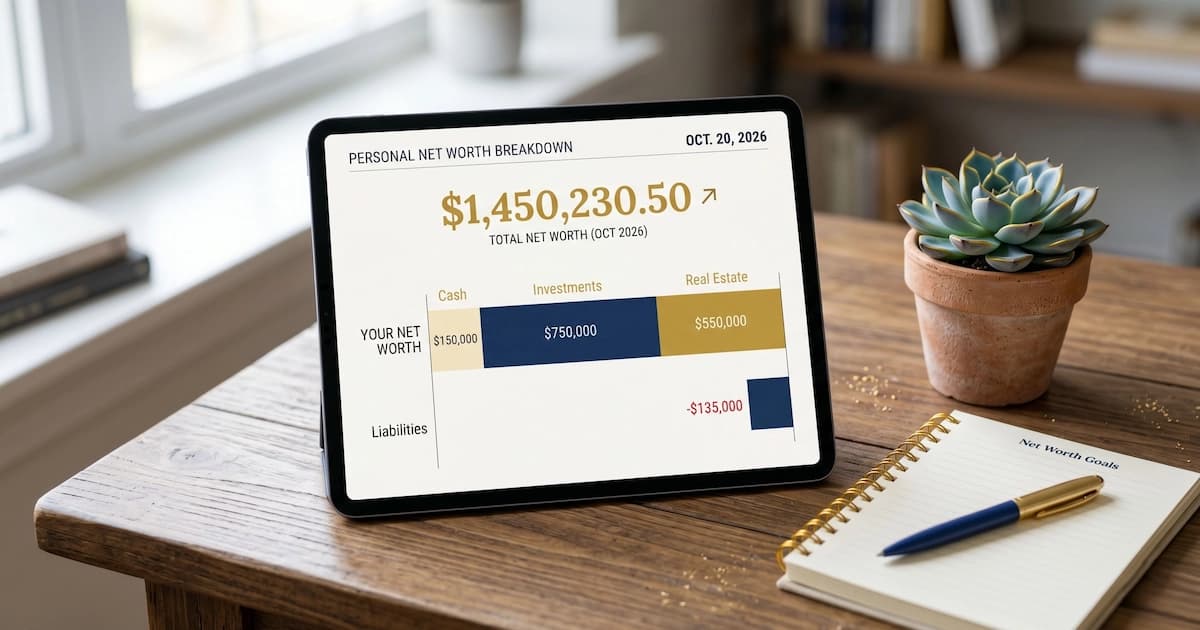
Compare the 8 best net worth tracker apps for 2026, free and paid. Empower, Monarch, Kubera, with pricing, best-for picks and a Mint alternative.
15 min read