22 Best Finance YouTube Channels (India & US) 2026

By Tapabrata Biswas · Updated October 6, 2026 · 18 min read
Written and fact-checked by Tapabrata Biswas. How I write
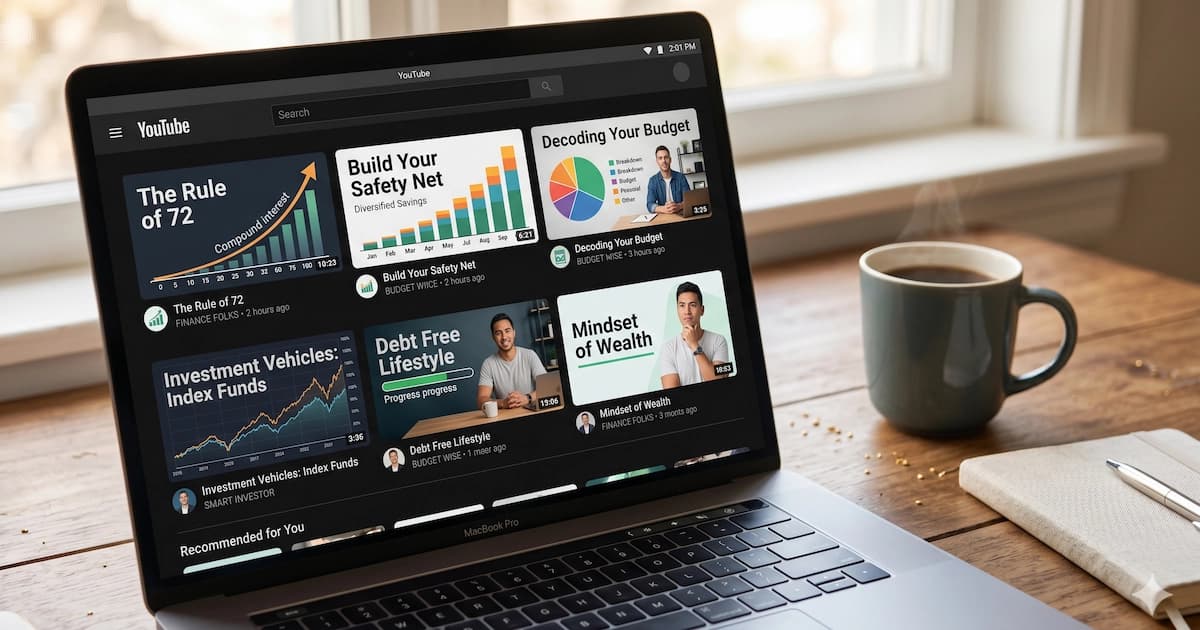
The best finance YouTube channels are the ones that teach you how money and markets work, from credentialed educators like CA Rachana Ranade in India or Ben Felix globally, rather than the ones that sell you the next hot stock. That distinction matters more in 2026 than it used to, because the same retail-investing boom that filled YouTube with genuine teachers also filled it with tip-sellers wearing the same clothes.
India now runs the largest finance-YouTube ecosystem outside the United States. Demat accounts jumped from roughly 41 million in 2020 to over 165 million by 2024, per SEBI, and that wave of first-time investors pulled creators like Pranjal Kamra and CA Rachana Ranade past 5 to 6 million subscribers each. The odd thing about the search results, though, is that every big US list ignores India completely, and every Indian list ignores the global channels. This one does both, splits stock-market channels from personal-finance channels, and tells you plainly which creators teach and which ones just talk.
Subscriber counts below are approximate, as of mid-2026. They move, but the order of magnitude is stable.
How I picked these channels
I weighted three filters, and I weighted them in this order: does the creator teach, can you trust them, and do they show up in bad markets as well as good ones.
A finance channel is worth subscribing to when the creator's credentials or research process are visible. A CA, CFP, or CFA designation signals real accountability, because a chartered accountant who pushes a fraud faces ICAI sanctions in a way an anonymous YouTuber never will. Equally valid are creators who show their working, with academic citations, source links, and primary quotes, the way Ben Felix or Patrick Boyle do.
The second filter is restraint. The best educational channels avoid specific stock and mutual-fund calls and teach frameworks instead. A SEBI-registered research analyst is a person or firm licensed by the regulator to publish investment research in India, and since 2022 they must disclose that registration on social media. A channel making specific recommendations with no disclosed registration is a signal to slow down, not speed up.
The third filter is cadence. Channels that drop 100 videos in a hot bull run and then vanish during a correction are riding attention, not building literacy. The ones I trust post through the boring years too.
The 2026 shortlist at a glance
| Channel | Who runs it | Subs (mid-2026) | Country | Focus | Type |
|---|---|---|---|---|---|
| CA Rachana Ranade | Rachana Phadke Ranade (CA) | 5.3M | India | Investing basics, stocks, MFs | Education |
| Pranjal Kamra | Finology | 6.4M | India | Stock investing, money mindset | Mixed |
| Zerodha Varsity | Karthik Rangappa | Course-led | India | Structured market education | Education |
| Elearnmarkets (StockEdge) | Vivek Bajaj | 1M | India | Trading and analysis, all levels | Education |
| Yadnya Investment Academy | Parimal Ade | 935K | India | Mutual funds, SIP, planning | Education |
| Invest Aaj For Kal | Anant Ladha (CFA, CA, CFP) | 3M | India | Mutual funds, personal finance | Education |
| Asset Yogi | Mukul Malik | 3.9M | India | Real estate, investing | Mixed |
| FinnovationZ | Prasad Lendwe | 2.6M | India | Investing basics, business | Mixed |
| Akshat Shrivastava | Akshat Shrivastava | 2.3M | India | Strategy, macro | Mixed |
| Ankur Warikoo | Ankur Warikoo | 6.5M | India | Personal finance, careers | Mixed |
| Labour Law Advisor | Rishabh Jain, Mandeep Gill | 5.3M | India | Tax, EPF, NPS, schemes | Education |
| Finance With Sharan | Sharan Hegde | 3.5M | India | Gen Z money habits | Mixed |
| Graham Stephan | Graham Stephan | 5.2M | US | US money, real estate | Mixed |
| Ben Felix | PWL Capital | 600K | Canada | Evidence-based investing | Education |
| The Plain Bagel | Richard Coffin (CFA) | 1M+ | Canada | Financial concepts | Education |
| Patrick Boyle | Patrick Boyle (professor) | 800K | UK | Macro, market events | Education |
| Andrei Jikh | Andrei Jikh | 2.3M | US | Investing, dividends | Mixed |
| Nate O'Brien | Nate O'Brien | 1.28M | US | Personal finance basics (archive, stopped posting 2024) | Education |
| Two Cents | PBS | 600K | US | Economic concepts | Education |
| The Money Guy Show | Brian Preston, Bo Hanson (CFPs) | 600K | US | Financial planning | Education |
| Humphrey Yang | Humphrey Yang | 2.1M | US | Personal finance basics | Mixed |
| The Financial Diet | Chelsea Fagan | 1M | US | Budgeting, frugality | Education |
Best Indian stock-market and investing YouTube channels
If your search was some version of "best stock market YouTube channel," this is the section you came for. I have led with the channels that teach how the market works, because learning the concepts is what protects your money before any of it is at risk.
CA Rachana Ranade
Rachana Phadke Ranade is a chartered accountant and the most-recommended starting point for Indian beginners, with about 5.3 million subscribers. She teaches fundamentals: what a share is, how to read a balance sheet, how SIPs and mutual funds work, what an RBI policy move means for a retail investor. The CA credential is not decoration here. Her lessons are structured the way a finance faculty member would teach, in Hindi, English, and Marathi, and she teaches concepts and not handing out picks.
Pranjal Kamra (Finology)
Pranjal Kamra built one of India's largest investing audiences, around 6.4 million subscribers, on value-investing ideas and money-mindset content. The free videos are genuinely educational. Worth knowing: Finology, the parent company, also sells paid research and tools, so the channel doubles as the top of that funnel. Judge the free teaching and the paid products separately.
Zerodha Varsity
Zerodha Varsity, led by Karthik Rangappa, is the video companion to Zerodha's free Varsity course, and it is the most curriculum-like resource in the Indian space. It moves module by module through technical analysis, futures and options, fundamental analysis, and trading psychology, the way an actual course would. It has fewer subscribers than the influencer channels because it favours depth over personality, which is exactly why it belongs near the top.
Elearnmarkets (StockEdge)
Run by Vivek Bajaj. The channel has been repositioned since we first listed it and now presents as Face2Face Podcasts, with recent output running to interview episodes and algorithmic-trading builds, where it once ran a structured course sequence. The older teaching material on technical and derivatives topics is still there and still good, so it remains worth a look if you want to understand how trading and analysis work (as opposed to being told what to trade). Just expect a podcast feed when you arrive.
Yadnya Investment Academy
Parimal Ade's Yadnya is the channel I would point a mutual-fund and SIP learner to first. It covers fund selection, asset allocation, insurance, and retirement planning in plain Hindi, and it is one of the few Indian channels that treats mutual funds and financial planning as a serious, standalone subject and not a side note to stock picking.
Invest Aaj For Kal
Anant Ladha holds CFA, CA, and CFP credentials, which is a rare triple, and his channel focuses on mutual funds and personal finance for roughly 3 million subscribers. The credential stack is why this one sits in the education column. The channel now runs under his own name, having dropped the Invest Aaj For Kal branding, and the mutual-fund and planning material is the reason to watch it. The feed also carries occasional high-leverage derivatives content, which is a different register from the rest and worth skipping if you came for the fund explainers.
Asset Yogi
Asset Yogi, run by Mukul Malik, is strongest on Indian real estate, which is the most common middle-class asset and the least-covered on YouTube. It also covers investing and business basics. I have marked it mixed because the style leans motivational alongside the teaching.
FinnovationZ
Prasad Lendwe's FinnovationZ covers investing basics, business breakdowns, and stock-market explainers for a large, mostly-beginner audience of about 2.6 million. Useful for getting comfortable with vocabulary and ideas, though it blends education with personality-led content.
Akshat Shrivastava
Akshat Shrivastava publishes denser strategy and macro analysis aimed at viewers who already know the basics. His videos connect Indian markets to global forces. This one assumes more background than the beginner channels and reflects strong personal opinions, so read it as a viewpoint rather than instruction.
Best Indian personal finance and money channels
Not everyone searching wants stocks. Some want to understand their salary slip, their EPF, or whether a ULIP is a rip-off. These three own that ground.
Ankur Warikoo
Ankur Warikoo, about 6.5 million subscribers, crosses personal finance, careers, and entrepreneurship in a conversational style. His money videos cover the practical stuff first-time earners actually ask about: credit cards, term insurance versus ULIPs, budgeting, and simple investing. His background is in business, not a finance credential, so the research is solid but cited less rigorously than the CA and CFA channels.
Labour Law Advisor
Started by Rishabh Jain and Mandeep Gill, Labour Law Advisor grew from a labour-law and tax channel into broad personal finance, and its tax, EPF, NPS, and government-scheme coverage is the deepest on Indian YouTube. Almost no other creator explains Indian income-tax filing, provident fund, and small-business GST at this level. That depth is why I have it in the education column despite its large following.
Finance With Sharan
Sharan Hegde built Finance With Sharan into one of India's fastest-growing money channels, around 3.5 million subscribers, using short, entertaining, Gen-Z-flavoured videos on saving, investing, and money traps. Every dedicated India list carries him, and the older US-style lists all miss him. The style is entertainment-forward, so I have marked it mixed, but the underlying money advice is sound.
Best US and global finance YouTube channels
For concepts that travel across borders (how index funds work, why most active managers underperform, what a recession is), the global channels are often clearer than local ones, because they have been at it longer.
Ben Felix
Ben Felix, a portfolio manager at Canada's PWL Capital, is the standard for evidence-based investing on YouTube. His videos lean on academic finance research: factor investing, market efficiency, why active management tends to lose to index funds over time. He has only around 600,000 subscribers, far fewer than the influencers, and that gap is the whole point. Depth and citations beat entertainment here.
The Plain Bagel
Richard Coffin, a Canadian CFA, runs The Plain Bagel, which explains financial concepts and current events without recommending anything to buy. Short-selling, SPACs, crypto mechanics, market bubbles: calm, structured, and honest about uncertainty, while staying beginner-accessible.
Patrick Boyle
Patrick Boyle is a former hedge-fund manager and finance professor in London who covers macro, market events, and financial scandals with dry wit and an academic frame. Best for understanding markets structurally and not as a place to pick winners.
Graham Stephan
Graham Stephan is the largest US millennial money creator, over 5 million subscribers, and he is genuinely good on high-yield savings, US credit cards, and basic real estate. The catch for non-US viewers is that a lot of his tactics (Roth IRA, US mortgage rules, US tax) do not transfer. Watch for the principles, skip the US-only mechanics.
Andrei Jikh
Andrei Jikh covers US investing, dividend investing, and crypto in a polished format. The heavy dividend emphasis is more idiosyncratic than mainstream planning recommends (most planners prefer total-return index funds), but the investing-discipline content underneath is useful.
Nate O'Brien
Worth knowing before you subscribe: this channel stopped publishing in 2024. The final upload is titled "Why I Disappeared (What Happened)", and nothing has followed it. The back catalogue is still up and still worth watching, because budgeting and index-fund basics do not date the way market commentary does, but treat it as an archive to work through, since nothing new is coming. Nate O'Brien covers personal finance basics in a slow, calm format that suits viewers who want patient walkthroughs over high-energy edits. A strong pick for absolute beginners.
Two Cents (PBS)
Two Cents, from PBS Digital Studios, explains economic and money concepts in tight 6 to 10 minute episodes with unusually good production. Suitable for teenagers and adults alike, and country-agnostic enough to help anyone build economic literacy.
The Money Guy Show
The Money Guy Show is the video version of the podcast hosted by CFPs Brian Preston and Bo Hanson, covered in our best personal finance podcasts roundup. Same hosts, same planning content, with charts and slides added. If reading suits you better than watching, our finance newsletters roundup covers similar ground in inbox form.
Humphrey Yang
Humphrey Yang, around 2.1 million subscribers, explains personal finance and investing basics with clean visuals and relatable examples. It is more entry-level than Ben Felix and more grounded than the flashier influencer channels, which makes it a good bridge for newer viewers.
The Financial Diet
Chelsea Fagan's The Financial Diet approaches money through budgeting, frugality, and the emotional side of spending, rather than through investing. It is one of the few consensus channels focused on the psychology and daily habits of money, which is where most people actually struggle.
A beginner-to-advanced learning path
A pile of channel names is not a plan. This is the order I would actually watch them in, one track for each market.
For the Indian stock market from zero, start with Zerodha Varsity for the structured basics, add CA Rachana Ranade for fundamentals and how to read a company, then Yadnya Investment Academy or Invest Aaj For Kal once you move into mutual funds and SIPs. Only after that, if active trading still appeals, watch Elearnmarkets to understand the mechanics, and keep reading our personal finance basics alongside the videos.
For US and global investing, start with Two Cents for economic literacy, move to Humphrey Yang for personal finance basics, then graduate to The Plain Bagel and Ben Felix for the evidence-based investing core. That sequence takes you from "what is a budget" to "why factor investing works" without ever needing a stock tip.
Trading and stock-tip channels: approach with caution
This is the section the broker blogs will not write honestly, because many of them are trying to convert you into a trader.
A large slice of India's most-viewed stock channels do not teach so much as broadcast intraday and options calls: Power of Stocks, Trading Chanakya, Booming Bulls, and similar. Some contain real teaching, but the format trains viewers to chase the next call. The data is blunt about how that ends. SEBI's 2024 study found that 93% of individual traders in the equity derivatives segment lost money between FY22 and FY24, with aggregate losses running into lakhs of crores of rupees. A channel promising to make you a profitable options trader is selling against those odds.
Two other patterns deserve caution regardless of country. Channels that push a paid course after every free video, with "limited time" pressure, are usually monetising trust more than sharing knowledge; the fundamentals are already free across the educators above. And channels that recommend specific securities without any disclosed SEBI or SEC registration are operating outside the regulatory frame, even when they seem credible.
None of this is investment advice, and I am not telling you what to do with your money. I am telling you which formats have a track record of costing viewers money, so you can weight them accordingly.
How to judge a finance YouTuber
When you land on a new channel, four checks sort the teachers from the sellers in about a minute.
Look for a disclosed credential or a visible research process. Check whether the creator ever says "I do not know" or shows the other side of a trade, which honest educators do and hype channels avoid. Scan the upload history for steady posting through both bull and bear years and not just the last rally. And notice what sits behind the free content: a disclosed adviser or course-seller has different incentives than a salaried educator or an institution like PBS or Zerodha.
For the underlying topics these channels teach, our best personal finance books and personal finance basics guides cover the same ground in text. When you want watching over studying, our stock market movies and finance documentaries guides carry the same status column this page does, checked on a stated date.
Frequently asked questions
Which is the best YouTube channel for stock market beginners in India? For a true beginner, CA Rachana Ranade and Zerodha Varsity are the two most-recommended starting points. Ranade teaches investing fundamentals, how to read financials, and how mutual funds and SIPs work, in a structured, CA-certified way across Hindi, English, and Marathi. Zerodha Varsity is the video companion to Zerodha's free Varsity course, so it moves module by module like an actual curriculum. Both teach how markets work and not giving buy or sell calls, which is what you want before risking any money.
Which YouTube channel is best for learning trading in India? For learning the mechanics of technical analysis and derivatives, Elearnmarkets by StockEdge (run by Vivek Bajaj) covers all levels in a course-like format. Many popular intraday and options channels give live trade calls and not teaching, and SEBI's own data shows 93% of individual F&O traders lost money over FY22 to FY24, so treat call-based channels as entertainment, not instruction. Learn the concepts from an educator first, then decide whether active trading suits you at all.
Can I learn stock market investing from YouTube for free? Yes, you can learn the concepts (what a share is, how compounding works, how to read a balance sheet, what an index fund is) for free from channels like Zerodha Varsity, CA Rachana Ranade, Yadnya Investment Academy, and, for global concepts, Ben Felix and The Plain Bagel. What YouTube cannot give you is personalised advice for your money and goals, which in India requires a SEBI-registered investment adviser and in the US a licensed fiduciary.
Are Indian finance YouTubers SEBI-registered? Most are not, and they do not have to be, as long as they teach general concepts and do not give personalised or specific investment advice. Since 2022, SEBI has required registered investment advisers and research analysts to disclose their registration on social media. A channel that hands out specific stock recommendations without any disclosed SEBI registration is operating in a grey zone, so credential-backed educators (a CA, CFA, or CFP behind the channel) are the safer default for learning.
Who are the best finance YouTubers in India for personal finance, not stocks? For money management, not stock picking, Ankur Warikoo (credit, insurance, budgeting, careers), Labour Law Advisor (taxes, EPF, NPS, government schemes), and Finance With Sharan (Gen Z money habits in an entertaining format) are the most-followed. Labour Law Advisor has the deepest Indian tax and provident-fund coverage on YouTube, which almost no other creator matches.
Who is the best personal finance YouTuber for US audiences? It depends on what you want. For evidence-based investing, Ben Felix. For calm beginner walkthroughs, Two Cents by PBS or Humphrey Yang. For budgeting and frugality culture, The Financial Diet. Graham Stephan is the largest US money creator and is useful on high-yield savings and credit cards, but his content skews to US-specific tactics and a millennial-lifestyle style that does not transfer well outside the US.
In summary
The right channel depends on your country, your starting level, and how much you value calm teaching over entertainment. Indian beginners get the most from Zerodha Varsity, CA Rachana Ranade, and Labour Law Advisor. Indian mutual-fund and SIP learners should add Yadnya and Invest Aaj For Kal. Global viewers who want evidence over hype get the most from Ben Felix, The Plain Bagel, and Two Cents. US viewers who want tactics can add Graham Stephan and The Money Guy Show.
The category has grown up since 2020. The retail boom in both India and the US created enough demand to support credentialed teachers at real scale, which is good for financial literacy. The same demand produced a wave of tip channels working in regulatory grey zones, which is not. Filter for credentials, favour channels that teach frameworks over channels that make calls, and remember that no video, however good, can give you personalised advice. For that, India points you to a SEBI-registered adviser and the US to a licensed fiduciary.
This post closes the Pillar 7 cluster on finance tools. For the foundations these resources build on, see our personal finance basics and what is financial literacy explainers.
Sources
- Securities and Exchange Board of India, Investor Education Portal: investor.sebi.gov.in
- Securities and Exchange Board of India, Study on Profit and Loss of Individual Traders in the Equity Derivatives Segment (2024): sebi.gov.in
- Securities and Exchange Board of India, Handbook of Statistics on the Indian Securities Market (Demat account data): sebi.gov.in
- U.S. Securities and Exchange Commission, Investor.gov educator resources: investor.gov
- PWL Capital, Ben Felix research: pwlcapital.com/team/benjamin-felix



You might also like

15 personal finance books for beginners in India and the US, 4 more that come with a caveat, a reading order, and the one book here that is legally free.
21 min read

15 shows confirmed publishing in 2026, with the latest episode date for each, plus 3 that other lists still recommend and that stopped years ago.
17 min read

Personal finance basics explained in plain English: income, saving, debt, credit, and investing, the small set of concepts every adult tends to encounter.
10 min read