How to Make Money Online as a Student in 2026

By Tapabrata Biswas · Updated July 22, 2026 · 11 min read
Researched with AI assistance, reviewed and edited by Tapabrata Biswas.

A 2024 Bankrate survey found 55% of US Gen Z (ages 18-25) have a side hustle, the highest rate of any generation and the fastest-growing segment year-over-year. The same pattern shows up in India, where post-pandemic college students moved aggressively into online tutoring (Vedantu, Unacademy classes), content creation, and freelance work as primary supplementary income sources. The combination of digital-native skills, time flexibility outside class hours, and the financial pressure of education costs makes online income especially viable for students: once the realistic options are filtered from the noise.
This post covers what actually works for students, the visa and tax considerations that don't apply to general adult side hustlers, and the specific options that compound into meaningful income across four years of college rather than burning out by midterms.
What makes student income different
Three constraints separate student-friendly online income from general adult side hustles.
Time blocks are fragmented. Between classes, evenings after labs, weekends with assignments: students rarely have 4-hour focused work blocks. The income source needs to fit 30-90 minute windows.
Professional experience is minimal. Most students don't have a freelance writing portfolio or established client relationships. Beginner-friendly platforms with low experience requirements work; senior-level freelance platforms don't.
Capital is constrained. Most students don't have $500 to invest in equipment or a course. Zero-capital options (covered in side hustles you can start with no money) are the realistic category.
The options below were filtered against all three constraints.
The five best online income options for students
1. Online tutoring
Tutoring younger students in subjects you're currently studying is the highest-fit option for almost every undergraduate. The work fits class schedules (evening and weekend availability matches student demand), the subject knowledge is already in your head, and the income ramp is faster than any other student-friendly category.
Indian platforms hiring student tutors: Vedantu, Unacademy (Educator program), Cuemath (math specifically), Filo, Khan Academy India. Rates: ₹150-600/hour for undergraduate tutors, higher for engineering and medical entrance prep.
US platforms hiring student tutors: Wyzant, Preply, Tutor.com, Varsity Tutors. Rates: $15-40/hour for undergraduate tutors, higher for SAT/ACT prep and advanced subjects.
The earning ramp is fast: most students get their first paid session within 2-4 weeks of signing up. Income compounds with reviews; a tutor with 50+ five-star reviews can charge 50-100% above platform-suggested rates.
2. Freelance writing
Articles, blog posts, ghostwriting for small business clients. Beginner rates: ₹500-2,000 per article in India, $25-60 per article in the US. The barrier to entry is lower than tutoring (no subject specialisation required) but the income ramp is slower (3-6 months to consistent monthly income).
Platforms: Upwork (high competition globally), Freelancer.in (India focus), Contently (curated, requires writing samples), ProBlogger Job Board. Direct outreach to small business blogs often produces better rates than platforms.
3. Content creation in a specific niche
YouTube, Pinterest, Instagram, TikTok, or a blog focused on a specific topic: finance for students, study techniques, college life, gaming guides, niche hobbies. The income ramp is the slowest of the five (6-18 months to first meaningful revenue) but the ceiling is the highest.
For students specifically, the four-year college window is unusually well-suited to content creation: enough time to build an audience, identity tied to a relatable demographic (peers who would subscribe), and the work fits between classes. Students who start a content channel in year 1 often have meaningful follower counts by year 4.
Revenue sources: YouTube AdSense (after meeting 1,000 subscribers + 4,000 watch hours threshold), Pinterest creator fund / affiliate links, brand sponsorships once audience size justifies them, Patreon or paid newsletter subscriptions.
4. Translation and transcription
For bilingual students. Beginner translation rates: ₹0.50-2 per word for Indian regional language pairs (Hindi-English, Tamil-English, Bengali-English are highest-paying). Transcription rates: $30-60/audio hour for English. Platforms: Rev, GoTranscript, ProZ.
The work fits well into student schedules: discrete tasks that can be completed in 30-90 minute blocks, no client meetings required, payment per completed task rather than hourly retainer.
5. Skill-based freelance for specific majors
Computer science students: small programming gigs on Upwork, contributing to open-source projects, freelance bug fixes. Design students: logo design and small graphic work on 99designs and Fiverr. Marketing students: small business social media management. Engineering students: technical writing and tutoring for engineering subjects.
The single biggest leverage at this stage is using major-related skills before graduating to compound experience. A computer science student who completes 5-10 small Upwork gigs by senior year has portfolio work most graduating job applicants don't.
Realistic student earnings by year
The compounding effect of starting early is the most underrated factor in student online income. The same hours per week produce dramatically different income at different points in a college career.
| College year | Hours per week | Typical India earnings | Typical US earnings |
|---|---|---|---|
| Year 1 (just starting) | 5-8 hours | ₹2,000-6,000/mo | $80-300/mo |
| Year 2 (reviews accumulating) | 5-8 hours | ₹5,000-12,000/mo | $200-600/mo |
| Year 3 (established) | 8-12 hours | ₹10,000-25,000/mo | $400-1,500/mo |
| Year 4 (senior, niche-established) | 10-15 hours | ₹15,000-50,000/mo | $700-3,000/mo |
Same hours per week. Income compounds because platform reputation, client relationships, and skill depth all accumulate. The single most expensive mistake students make is waiting until junior or senior year to start, the year-1 hours are the cheapest hours to invest because they're producing both income AND building the foundation for year-4 income.
Special considerations for student income
Tax obligations
In India, freelance and side-hustle income above ₹2.5 lakh/year requires income tax filing (₹3 lakh/year under the new regime). Students earning below threshold don't need to file but should keep records. Earnings above ₹40,000/month from online tutoring may also have TDS implications depending on the platform.
In the US, freelance income of $400+ per year requires filing federal taxes. Form 1099-NEC arrives from platforms paying $2,000 or more for payments made after 31 December 2025, up from the old $600 threshold. Self-employment tax applies to net earnings above $400. Students filing as dependents on parents' returns should coordinate with the household tax filer.
The CFPB's taxes for self-employed individuals guide covers the US rules. Indian students can refer to the Income Tax Department's resources for ITR filing.
Visa and student-status constraints
US international students on F-1 visas: only on-campus employment (up to 20 hours/week during semester) is automatically permitted. Off-campus work, including freelance work for US clients, requires CPT or OPT authorisation. Working without authorisation can affect visa status and future immigration applications. International students should consult their university's international student services office before accepting paid work.
Indian students studying in India face no comparable constraints: adult students (18+) can freelance freely.
Other countries vary: UK student visas typically allow 20 hours/week of work during term; Canadian study permits allow 20 hours/week (recently changed in 2024: verify current rules); Australian student visas allow 48 hours/fortnight. Always check current rules with your university's international office.
Money management for student income
Variable monthly income from student side hustles is harder to budget than predictable allowances. Three patterns work:
Separate the side hustle income from primary funds. Open a separate savings account (or use a sub-account at neobanks like Jupiter in India or Ally in the US) specifically for side hustle income. The mental separation prevents lifestyle inflation that makes the side hustle feel less effective than it actually is.
Save aggressively in the first 6 months. Year-1 student side hustle income often funds discretionary spending it doesn't really need to. Saving 50-70% of first-year side hustle earnings produces meaningful emergency fund and graduation-cushion balances by senior year.
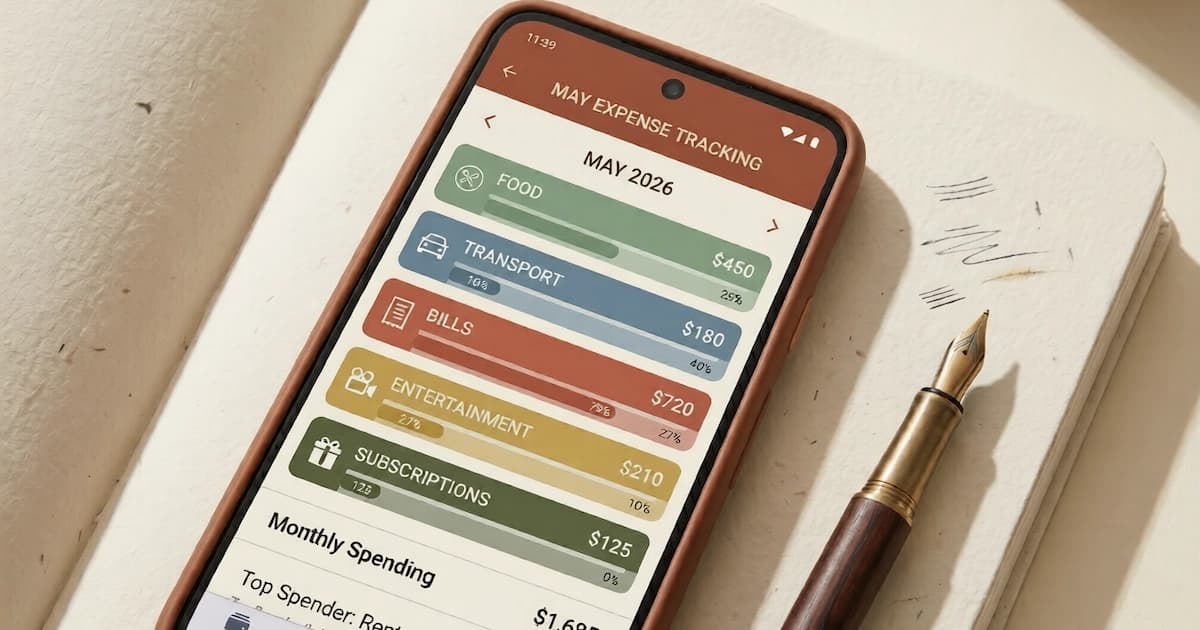
Use the best budgeting apps for students for tracking variable income against student expenses. Apps with goal-tracking work better than apps designed for salaried adults.
For broader budget structure, see budgeting tips for students. For the saving discipline that turns variable income into actual savings, see save money as a student.
What to avoid as a student
Three patterns specifically targeted at students reliably produce poor outcomes.
Paid "investment courses" marketed at college students. The pitch, "Make $5,000/month while in college, here's the blueprint", exploits student debt anxiety. The math doesn't work at student capital levels (you need capital to invest, which students by definition don't have meaningful amounts of). The course seller's primary income is the course sale; their secondary income is sometimes commission on brokerage account signups they recommend.
MLM recruitment via campus contacts. Multi-level marketing schemes spread aggressively through hostels, fraternities/sororities, and student social networks because the "recruit your friends" model exploits social trust. FTC research showing 99% of MLM participants lose money applies equally to student participants. Skip entirely.
Content-mill writing platforms. Sites paying $0.01-0.03 per word, requiring 500+ words per article, produce sub-minimum-wage effective earnings. The writing experience can be useful for building basic discipline but the income doesn't justify the time. Real freelance writing (covered above) pays 10-50x better with the same effort.
What experts say
The Bankrate Annual Side Hustle Survey is the canonical US data source on generational side hustle trends, including the Gen Z participation rates cited above.
The NITI Aayog gig economy policy brief covers the Indian gig workforce composition including the meaningful share that is currently college students.
The Internal Revenue Service self-employed individuals tax centre covers the US tax obligations that apply to student freelance income.
For the broader Pillar 5 context, see best side hustles for beginners and side hustles you can start with no money.
Frequently asked questions
What is the best way for a student to make money online in 2026? Online tutoring (especially in academic subjects you're currently studying), freelance writing, and content creation for small accounts are the three most often recommended starting points for students. Tutoring offers the fastest income: Vedantu, Unacademy, and Cuemath in India hire students as tutors; Wyzant, Preply, and similar US platforms have minimal experience requirements. Realistic student earnings: ₹3,000-15,000 per month in India for 5-10 hours weekly, $100-500 per month in the US. The work fits around class schedules better than time-block-rigid options like virtual assistance.
How much can a college student realistically earn online? A Bankrate 2024 survey found 55% of US Gen Z (ages 18-25) have a side hustle, the highest rate of any generation. Typical student earnings range $100-600/month in the US and ₹3,000-15,000/month in India for 5-10 hours of weekly work. Top-end student earners (15-20 hours/week, established niche, year-long consistency) reach $1,000-2,500/month US or ₹20,000-50,000/month India by senior year. The compounding factor is reputation: students who start in year 1 earn 3-5x more by year 4 than students starting in year 4.
Can students legally earn money online in India and the US? Yes in both countries with specific considerations. In India, students above 18 can freelance and earn legally; income above ₹2.5 lakh/year requires income tax filing. International students in the US on F-1 visas face strict limits: only on-campus employment (up to 20 hours/week during semester) is permitted; freelancing for off-campus clients requires CPT or OPT authorisation. US citizens and permanent residents have no such restrictions. International students elsewhere should check their student visa terms before accepting paid work, as rules vary widely by country.
Which online income options should students specifically avoid? Three categories produce poor outcomes for students. First, paid trading or 'investment' courses targeted at college students, the marketing exploits desire to escape student loan debt, but the math doesn't work at student capital levels. Second, multi-level marketing schemes (often recruited through campus contacts and dorm relationships), the 99% loss rate per FTC research applies equally to student participants. Third, content-mill writing platforms paying $0.01-0.03 per word, the effective hourly rate is below minimum wage in most US states and below MSP-equivalent rates in India.
In summary
The best online income options for students in 2026 are tutoring (fastest to income), freelance writing (medium ramp), niche content creation (slowest but highest ceiling), translation/transcription for bilingual students, and major-related freelance work that compounds toward graduation portfolio. Realistic earnings start at $100-600 or ₹3,000-15,000 monthly in year 1 and compound 3-5x by senior year through accumulated reviews, skills, and client relationships.
The single most leveraged decision is starting in year 1, not year 3 or 4. The year-1 hours are the cheapest hours to invest because they're simultaneously producing income AND building the foundation that makes year-4 income meaningful. Most failed-student-income stories trace back to "I tried it for a month junior year and quit": by which time the compounding window has closed.
The next read in this series is on passive income ideas for beginners: for students looking to layer non-active income alongside the time-for-money options covered here. For the broader Pillar 5 context, see best side hustles for beginners.
Sources
- Bankrate, Annual Side Hustle Survey 2024: bankrate.com/personal-finance/side-hustle-survey
- NITI Aayog, India's Booming Gig and Platform Economy (2022): niti.gov.in
- US Internal Revenue Service, Self-Employed Individuals Tax Center: irs.gov/businesses/small-businesses-self-employed
- Income Tax Department of India, ITR Filing Resources: incometax.gov.in
- US Federal Trade Commission, Multi-Level Marketing Business Guidance: ftc.gov multi-level marketing guidance



You might also like

Cooking in a hostel often costs more than the mess. Real monthly rupee figures for rent, food and transport, and which student savings tips actually hold up.
11 min read

Handling tuition, low and irregular income and textbook costs, plus the financial habits that keep paying long after graduation.
11 min read

Three pages ranking for this still recommend Mint or Walnut, both dead. The student apps that actually work, prices checked, with an India column.
10 min read